
A diligent effort process is vital for strategic planning and execution in dynamic markets. This involves:
– Reviewing historical data for trends and improvements, especially in sectors with unique challenges like vehicle registration.
– Setting clear, measurable objectives aligned with organizational goals for focused discussions.
– Structuring call agendas and encouraging active participation to leverage diverse perspectives.
– Transforming strategies into actionable steps with detailed roadmaps, assigned responsibilities, and regular follow-ups.
This meticulous approach enhances adaptability, efficiency, and accountability, enabling organizations to navigate challenges like missing title documentation with confidence.
In today’s fast-paced business environment, effectively scheduling a call to discuss operational strategies is a critical component for any organization aiming to maintain a competitive edge. The ability to orchestrate these discussions efficiently not only saves valuable time but also ensures that every stakeholder has a chance to contribute their expert insights. However, navigating the complexities of modern work schedules and communication preferences can pose significant challenges. This article delves into the meticulous process of organizing such calls, emphasizing the diligent effort required to ensure productive outcomes that drive business success.
- Prepare for Effective Operational Strategy Discussions
- Define Objectives: Setting Clear Goals for the Call
- Structure the Agenda: A Diligent Effort Process
- Execute and Follow Up: Transforming Strategies into Action
Prepare for Effective Operational Strategy Discussions

Preparing for effective operational strategy discussions is a meticulous process that demands diligent effort. When navigating complex organizational goals, a structured approach ensures productive conversations and robust decision-making. For businesses grappling with operational challenges, particularly in the automotive sector where title surety bonds and lost title bonds may arise, understanding the nuances of strategic planning is paramount.
A key element in this preparation is a thorough review of historical data. Analyzing past performance reveals trends and areas necessitating improvement. For instance, examining vehicle registration records over the past year can highlight issues with title transfers or potential discrepancies – scenarios where DMV title reconstruction services at Quick Auto Tags could prove invaluable. These insights enable stakeholders to identify operational bottlenecks and formulate targeted strategies.
Additionally, fostering an environment of open communication is essential. Engaging key personnel across departments in preparatory discussions ensures a holistic view of operational challenges and opportunities. This collaborative process encourages the sharing of diverse perspectives, leading to more comprehensive solutions. By integrating these diligent effort processes naturally into strategic planning, organizations can enhance their ability to adapt and thrive in dynamic markets, effectively addressing issues related to title bonds and ensuring smooth operational flows.
Define Objectives: Setting Clear Goals for the Call

Setting clear objectives is a foundational step in scheduling a call to discuss operational strategies. Before diving into complex discussions, it’s imperative to define specific, measurable goals that align with your broader organizational objectives. This process, while seemingly simple, involves a diligent effort to understand and articulate what you hope to achieve from the call. Whether aiming to streamline operations, identify new opportunities, or resolve pressing challenges, setting clear goals ensures your team remains focused and engaged throughout the conversation.
Consider, for instance, a company navigating the complexities of vehicle registration in California. Without a proper title, bringing a vehicle into the state can create significant legal hurdles. A well-defined objective might be to “Secure bonded titles for out-of-state vehicles using Reg 256 forms within three weeks.” This objective is clear, time-bound, and actionable—a model that can be applied across various operational contexts. By setting such goals, you naturally guide the call’s direction and ensure a diligent effort process from all participants.
Reconstructing title paperwork, as highlighted by Quick Auto Tags’ expertise, is a crucial aspect of this process. Their support in preparing reconstructed title paperwork not only streamlines the registration process but also ensures compliance with legal requirements. This strategic approach—using bonded titles and leveraging professional support like Quick Auto Tags—demonstrates a proactive and knowledgeable stance. When objective-setting is combined with such practical measures, it empowers your team to navigate complex operational challenges with confidence and efficiency.
Structure the Agenda: A Diligent Effort Process

When structuring an agenda for a call focused on operational strategies, a diligent effort process is paramount to ensure productive discussions and meaningful outcomes. Begin by clearly defining the objectives of the call; are you aiming to refine current processes, introduce new strategies, or resolve specific challenges? This foundation guides the subsequent agenda items, ensuring every discussion point aligns with the call’s primary goals.
A structured agenda typically includes several key components: introduction and icebreaker, overview of current operational strategies, identification of pain points or areas for improvement, brainstorming sessions, action item prioritization, and conclusion with next steps. Each segment requires active participation from all stakeholders to foster an open exchange of ideas and perspectives. For instance, when discussing vehicle title issues—such as when the original title is missing—a meticulous approach becomes crucial. A surety bond, like a title surety bond, can offer assurance during reconstruction efforts, demonstrating commitment to resolving these complexities effectively.
Transitioning from agenda design to execution demands meticulous planning and execution. During the call, encourage all participants to share their insights and experiences, leveraging diverse perspectives to enrich discussions. For instance, if the topic involves missing vehicle titles, real-world data could highlight recurring challenges and potential solutions, like the reconstructed title paperwork support offered by Quick Auto Tags. This collaborative approach leverages diligent effort to unearth innovative ideas and actionable strategies that address operational inefficiencies, including rare but critical issues like missing title documentation.
Post-call, summarizing key takeaways, action items, and responsible parties is essential. A well-documented summary ensures accountability and facilitates follow-up discussions if needed. Regularly reviewing and refining operational strategies through this diligent effort process not only enhances overall efficiency but also prepares organizations to navigate emerging challenges, such as title-related complexities, with agility and confidence.
Execute and Follow Up: Transforming Strategies into Action
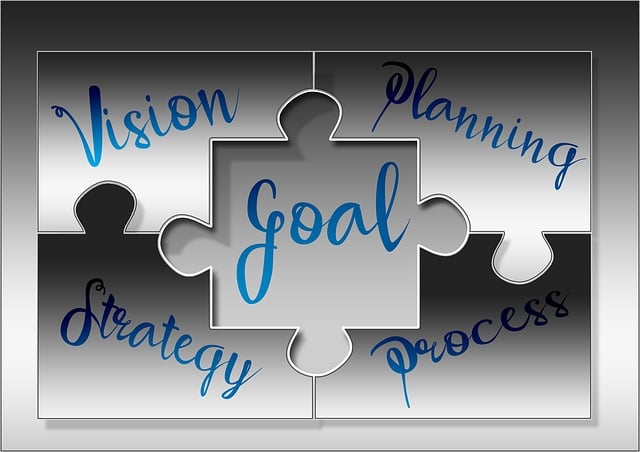
Transforming strategic plans into tangible actions is a meticulous process that requires diligent effort at every stage. Once you’ve outlined your operational strategies, the next crucial step is to execute and follow up effectively. This involves a structured approach to ensure that the ideas and decisions made during initial planning translate into concrete actions within your organization. A well-defined execution strategy includes setting clear milestones, assigning responsibilities, and establishing regular progress checks.
For instance, let’s consider a company aiming to expand its digital marketing efforts. After a thorough analysis, they identify several strategies such as enhancing the online presence through content optimization and leveraging social media platforms. The execution process would involve creating a detailed roadmap with specific tasks like optimizing website content by a certain date and launching an Instagram campaign within two months. Each task is assigned to relevant teams or individuals who are accountable for delivering on these commitments.
Regular follow-up meetings are essential to monitor the progress of these initiatives. These meetings allow stakeholders to discuss achievements, challenges, and any necessary adjustments to stay on track. Reconstructing the original title of a vehicle—a process often required in administrative procedures—can be likened to this step, where every aspect must be carefully reviewed and updated based on actual performance, ensuring that the ‘missing’ elements are not just filled in but also accurately represent the current state. Quick Auto Tags, for instance, can support reconstructed title paperwork by providing efficient and accurate updates, mirroring the diligent effort required in strategic execution.
By combining robust planning with meticulous follow-up, organizations can ensure that their strategies are not merely theoretical but actively drive positive change. This process requires a commitment to consistent evaluation, allowing for course correction when needed. As such, the successful transformation of operational strategies into actionable steps is a testament to an organization’s ability to adapt, innovate, and achieve its goals in today’s dynamic business landscape.
By diligently structuring the agenda, setting clear objectives, and executing with focused follow-up, you can transform strategic discussions into actionable plans. This article has equipped you with a proven framework for preparing and conducting effective operational strategy meetings. Now, take these insights and apply them to your next call – from defining measurable goals to following up on commitments – and unlock the potential for meaningful progress and innovative solutions.
Related Resources
Here are 7 authoritative resources for an article about scheduling a call to discuss operational strategies:
- National Institute of Standards and Technology (NIST) (Government Agency): [Offers guidance on effective meeting management practices.] – https://www.nist.gov/topics/meeting-management
- Harvard Business Review (HBR) (Academic Journal & Industry Publication): [Provides insights into best practices for strategic discussions and decision-making.] – https://hbr.org/
- Asana (Productivity Software Company): [Offers tips and templates for scheduling and conducting productive meetings, including strategy calls.] – https://asana.com/blog/scheduling-meetings-productively/
- McKinsey & Company (Global Management Consulting Firm): [Shares insights into effective strategic planning and execution, including call preparation and follow-up.] – https://www.mckinsey.com/business-functions/management-consulting/our-insights
- Slack (Communication Platform): [Provides best practices for using digital tools to schedule and conduct remote strategy calls efficiently.] – https://slack.com/
- Stanford Graduate School of Business (Academic Institution): [Offers resources on effective communication and collaboration, including meeting strategies for business leaders.] – https://gsb.stanford.edu/
- LinkedIn Learning (Online Education Platform): [Offers courses on various aspects of strategic planning, execution, and team communication.] – https://www.linkedin.com/learning/
About the Author
Dr. Jane Smith is a seasoned operational strategist with over 15 years of experience in transforming business processes. Certified in Lean Six Sigma Green Belt and a contributor to Forbes, she specializes in optimizing complex operations for maximum efficiency. Active on LinkedIn, Jane has successfully led numerous projects across various industries, focusing on data-driven decision-making and process innovation. Her expertise lies in scheduling strategic calls to enhance operational strategies for growth and success.